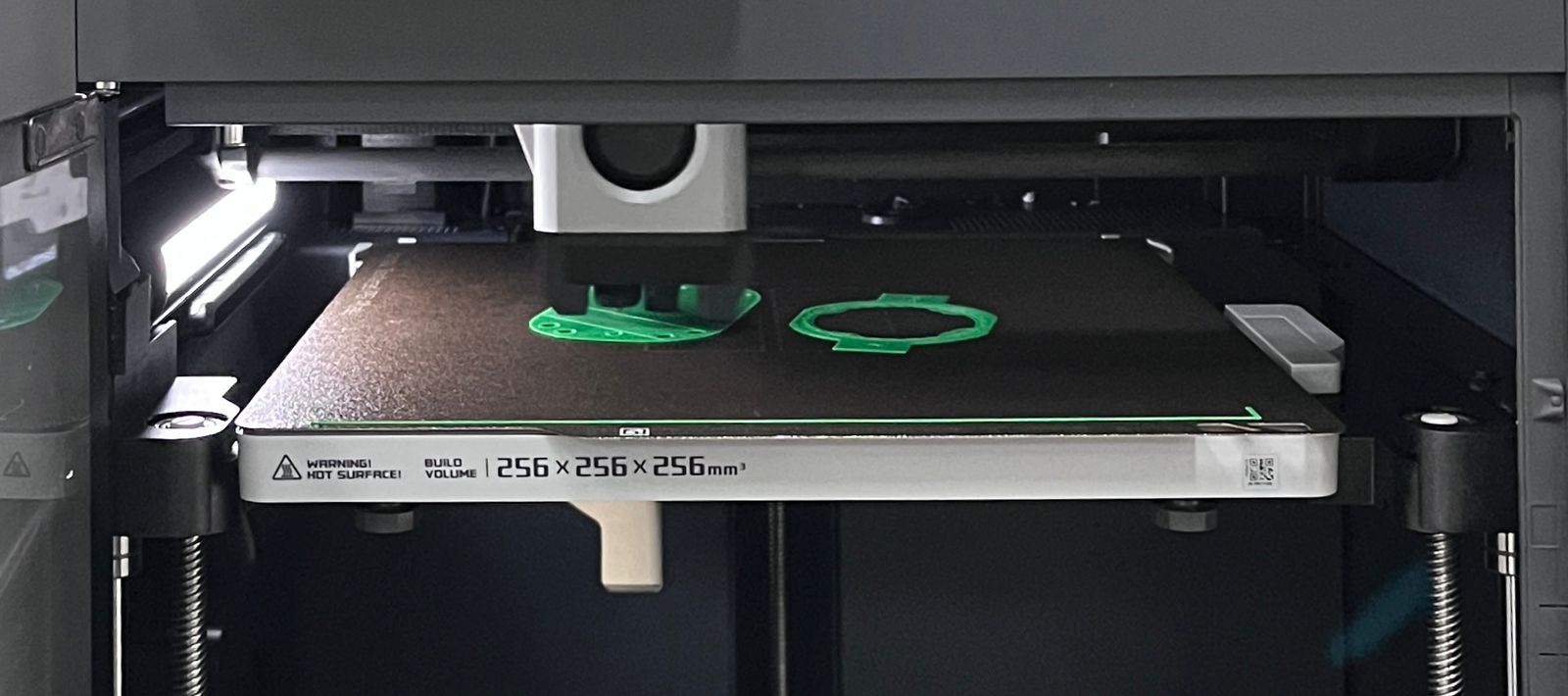
The plastic injection molding and assembly parts industry plays a crucial role in modern manufacturing. As demand for precision and efficiency grows, companies specializing in this field continue to advance through innovation and technological adoption.
What is Plastic Injection Molding?
Plastic injection molding is a manufacturing process where molten plastic is injected into a mold to create specific parts. This method is highly efficient for producing large volumes of identical components, making it ideal for industries such as automotive, electronics, and consumer goods.
Key Benefits of Plastic Injection Molding
- High Precision: Advanced machinery ensures consistent, accurate parts.
- Cost-Effectiveness: Bulk production reduces costs.
- Material Versatility: A wide range of plastics can be used.
- Durability: Molded parts are often more durable than assembled components.
Assembly Parts Integration
Many manufacturers also provide assembly services, integrating molded components into finished products. This value-added service reduces logistical complexities and accelerates time-to-market.
Technological Advancements
Innovations such as automation, robotics, and AI-driven quality control are transforming the industry. Smart manufacturing systems increase productivity while reducing waste.
Sustainability Initiatives
Environmental sustainability is gaining traction. Many manufacturers are adopting eco-friendly materials and recycling processes to minimize their carbon footprint.
Looking Ahead
The future of plastic injection molding and assembly parts manufacturing is promising, driven by continuous technological improvements, sustainability efforts, and growing global demand.